For the first time, Londoners can request a robotaxi through Uber. The ride-hailing firm has become the first operator to launch a self-driving minicab service in the UK, though the rollout is deliberately modest: just 15 autonomous vehicles currently hold licences to operate in the capital.
Regulations require a human safety driver in every car, ready to seize control if something goes wrong. That constraint sits alongside strong public curiosity. Uber said it polled London-based customers in the app and more than 100,000 indicated they would choose a self-driving taxi if one were available—despite well-publicised malfunctions involving driverless rides in US cities where similar services already run.
How booking and pricing work
Fares mirror standard UberX, Uber Electric, or Uber Comfort journeys, with upfront prices shown in the app. A self-driving option does not appear until after a trip is booked, and only when one of the autonomous cars is free nearby.
Sarfraz Maredia, Uber's global head of autonomous mobility and delivery, said the company intends a gradual introduction over several years. "We always want consumers to be able to request a human ride or an autonomous vehicle, and because the market's growing, we expect that there will be human drivers on Uber London for a long time to come," he said.
Wayve AI on Ford Mustang EVs
The fleet comprises Ford Mustang electric vehicles equipped with driverless technology from UK firm Wayve. Its system uses AI to interpret real-time sensor data—from a roof-mounted bar and other sources—rather than relying on pre-programmed routes. The cars decide how to act moment by moment based on conditions around them.
Competition to enter the British market is intensifying. Google's autonomous car company Waymo and Chinese tech giant Baidu are both pursuing UK launches. Wayve chief executive Alex Kendall called developing the technology "the space race for our generation," while acknowledging "really hard problems to solve" along the way.
"What we've done over time is pioneer a completely new approach to autonomous driving, making it possible to bring this to a busy and complex city like London and scale it globally," he said.
A journalist's first hail—and one intervention
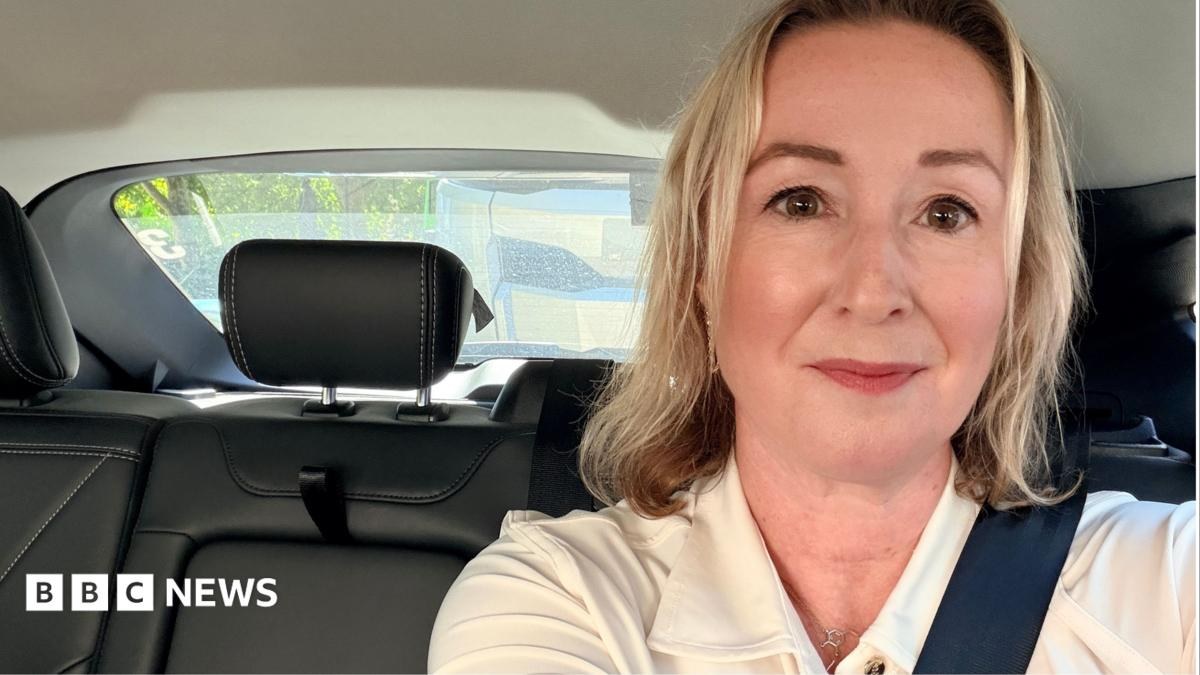
This week I became the first British journalist to travel as a customer in a self-driving Uber after hailing one via the app. The safety driver delivered a 30-second briefing, then we set off through central London's congested streets.
For several minutes the car handled traffic without incident—passing a busy Brexit demonstration outside parliament, negotiating lights and roadworks. When a cyclist paused at a mini roundabout and waved us forward, the vehicle complied.
Then the safety driver took over. As we pulled away, the rear doors of a van parked beside us on a narrow side road appeared to swing open. The car braked hard, an internal alarm sounded, and the driver grabbed the wheel. Wayve later said the intervention was the driver's choice and that they were confident their AI would have managed the situation. The episode lasted seconds—yet it underscored why UK regulators are moving more cautiously than the industry might prefer.
Regulators, unions, and open safety questions
Earlier this year, government and industry figures had suggested fully driverless hire cars could reach London by the end of 2026. That timeline now looks increasingly unlikely. The Department for Transport (DfT) and Transport for London (TfL) oversee the process and have drawn criticism for proceeding slowly.
A DfT spokesperson said the department was working toward a framework to allow self-driving cars on the roads in 2027, without naming a precise date. "These services will be introduced carefully, subject to rigorous safety testing and regulatory approval and will require local consent which can consider the potential impacts on local roads, jobs and communities," the department said in a statement.
Christina Calderator, director of transport strategy and policy at TfL, said they were "not holding up any decision" but "taking time to get it right." "This is something that's new, it's coming to London - we need to make sure it's safe," she said.
David McMullen, senior organiser for the trade union GMB, argued the roll-out of driverless cars should proceed with caution unless people were "prepared to see unprecedented levels of social and economic disruption." He urged TfL and the government to develop a plan that "protects drivers," adding that without one, moving to driverless services was "premature."
Waymo—Alphabet's driverless car firm—has spent several months mapping London's streets with vehicles that carry a safety driver and staff but are not yet offered to the public. The company says it does not plan to introduce a service that includes a human at the wheel.
Experts warn regulators still face substantial safety challenges. Prof Siddartha Khastgir, head of safe autonomy at the University of Warwick's Warwick Manufacturing Group, noted that human drivers often make conscious judgments—and sometimes bend rules, such as mounting the kerb to give way to an ambulance.
"So, how does a self-driving vehicle respond to emergency services? And what are the nuances of doing that in a crowded place like London?" he said.